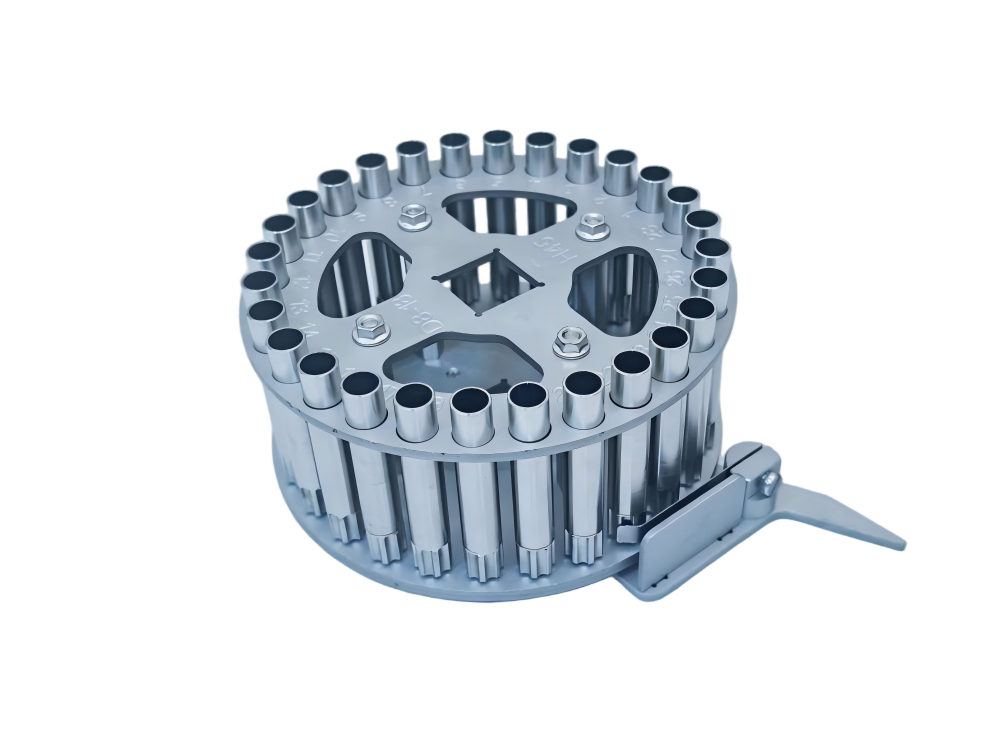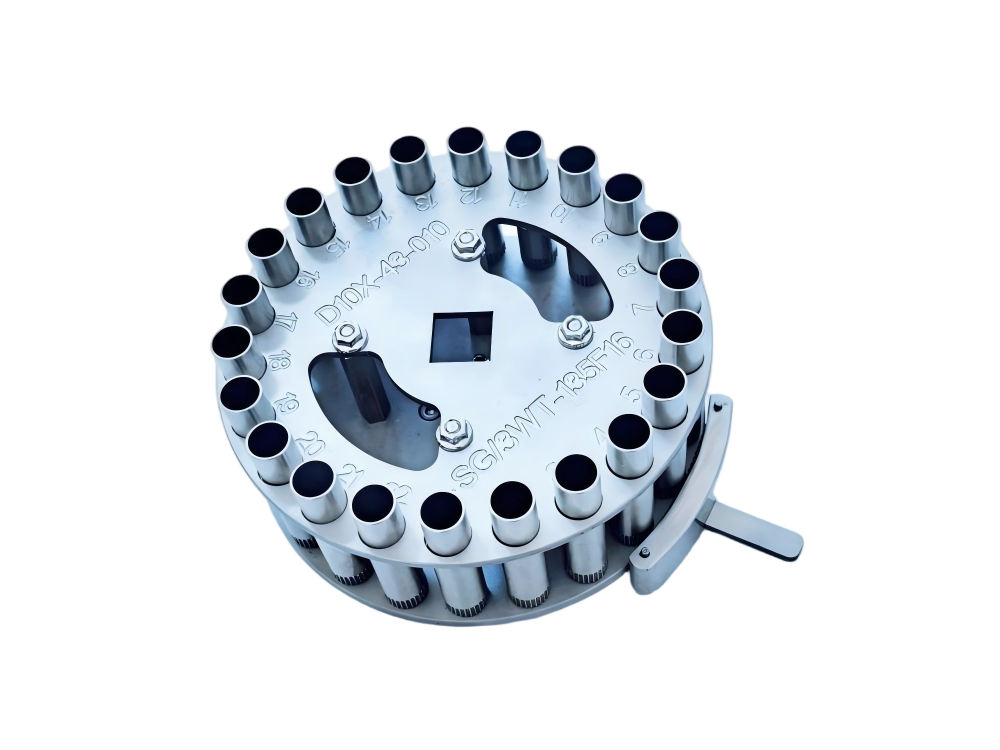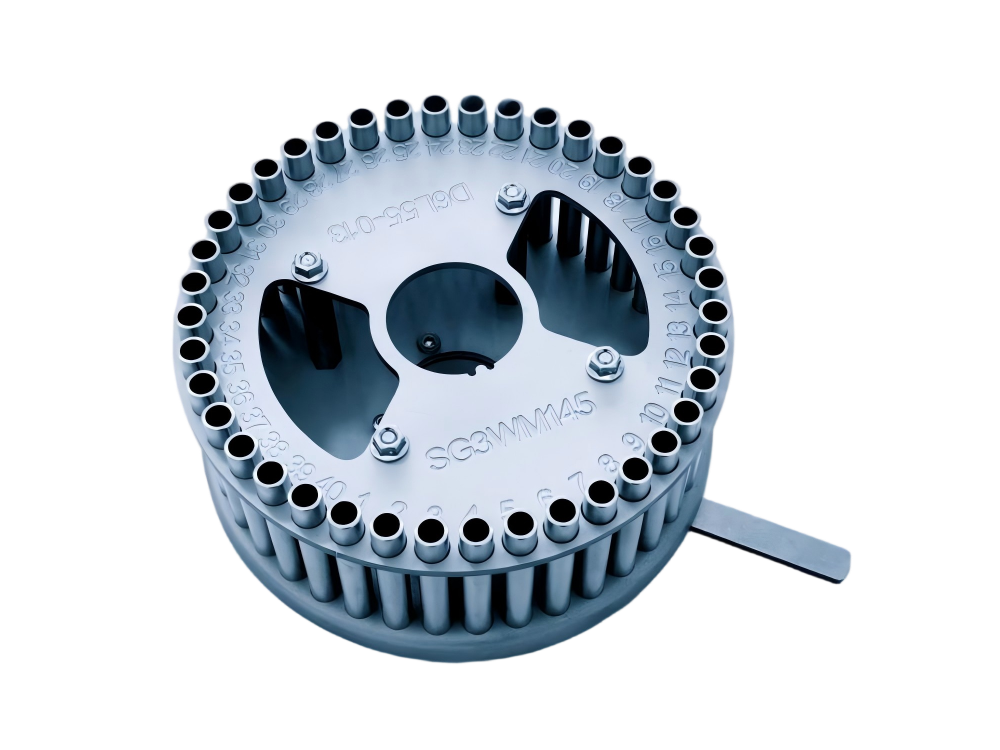
How much do you know about the application performance of mechanical blades? Before purchasing blades, we must have a certain understanding of them in order to help you choose high-quality and suitable blades. Below, we will introduce the application performance of mechanical blades!
1. High hardness and wear resistance
Hardness is a fundamental characteristic that mechanical blade materials should possess. The mechanical blade needs to cut chips from the workpiece, and its hardness must be greater than the hardness of the workpiece material. The cutting edge hardness of mechanical blades used for metal cutting is generally above 60HRC. Wear resistance is the ability of a material to resist wear and tear. Generally speaking, the higher the hardness of mechanical blade materials, the better their wear resistance. The higher the hardness and quantity of hard points (carbides, nitrides, etc.) in an organization, the smaller and more evenly distributed the particles, and the better the wear resistance. Wear resistance is also related to the chemical composition, strength, microstructure, and temperature of the friction zone of the material. The wear resistance WR of a material can be expressed using a formula:
In the formula WR=KICO.5E-0.8H1.43, the higher the material hardness (GPa) e, the better the wear resistance.
2. Sufficient strength and toughness
In order for mechanical blades to work under high pressure, as well as under the impact and vibration conditions that often occur during the cutting process, without producing chipping or breakage, the material of the mechanical blade must have sufficient strength and toughness.
3. High heat resistance (thermal stability)
Heat resistance is the main indicator for measuring the cutting performance of mechanical blade materials. It refers to the performance of mechanical blade materials in maintaining a certain hardness, wear resistance, strength, and toughness under high temperature conditions.